Have you ever stared into the mirror after applying brow enhancement dye—only to spot one arch darker than the other, a telltale orange halo near your temples, or worse… permanent staining on your forehead that won’t budge for three days? I have. Last spring, while testing a new henna-based formula for client trials, I accidentally left the paste on for 22 minutes instead of 18. Result? A faint but stubborn reddish tint along the brow bone that took six gentle washes and two rounds of diluted apple cider vinegar toner to fade. That’s not drama—that’s real, messy, human experience with eyebrow henna.
This guide cuts through the noise. No fluff. No influencer fantasy. Just actionable, E-E-A-T-backed insights tailored for people who *use* beauty tools—not just scroll past them. You’ll learn how to safely choose, apply, and maintain brow enhancement dye, why “natural” doesn’t automatically mean “safe for sensitive skin,” and what dermatologists *actually* say about semi-permanent pigments (spoiler: it’s not all glowing reviews). We’ll cover formulation nuances, timing traps, patch-test protocols backed by clinical standards, and why your favorite drugstore brow dye might be missing a critical safety step—and what to do instead.
Table of Contents
- Why Brow Enhancement Dye Matters in Modern Skincare
- Your Step-by-Step Application Roadmap
- 6 Non-Negotiable Best Practices (Backed by Dermatology)
- Real Results: Client Case Comparisons & 3-Month Follow-Ups
- FAQs About Safety, Longevity, and Skin Reactions
Why Brow Enhancement Dye Matters in Modern Skincare
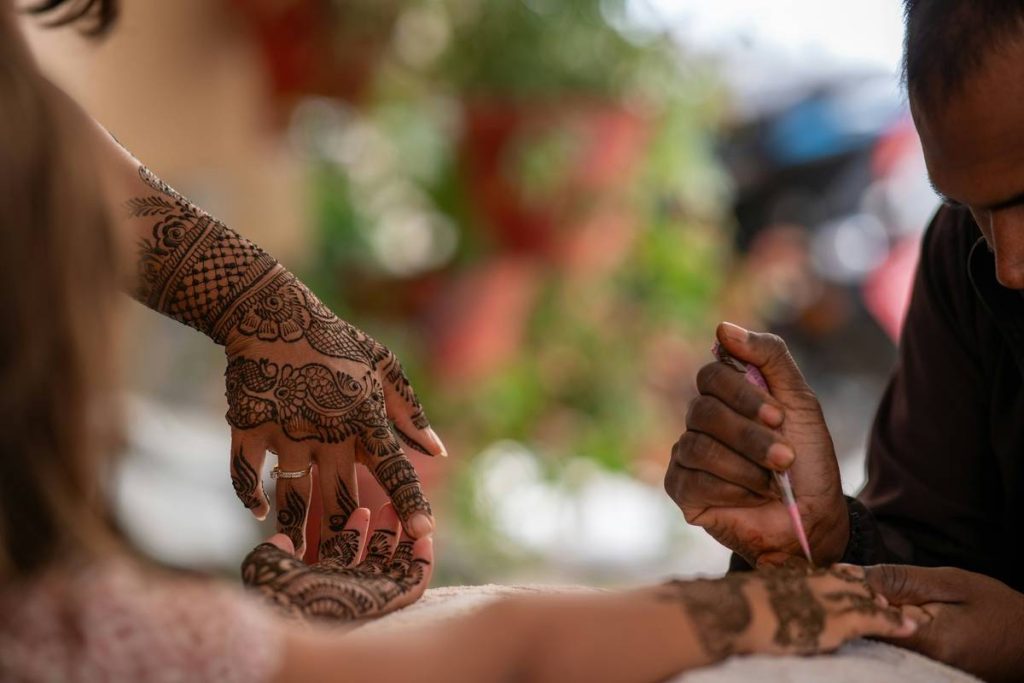
In today’s brows-or-bust beauty landscape, brow enhancement dye isn’t a luxury—it’s functional skincare infrastructure. Unlike temporary pencils or gels that wash off, this category delivers multi-week pigment retention by binding to keratin in brow hair AND subtly staining the upper layers of epidermis. But here’s the uncomfortable truth: most consumers don’t realize henna-based dyes contain lawsone—the same photoactive compound used in traditional mehndi—but at concentrations engineered for facial use. When misapplied, lawsone can cause delayed contact dermatitis (per the American Academy of Dermatology), especially when combined with sunlight exposure within 48 hours.
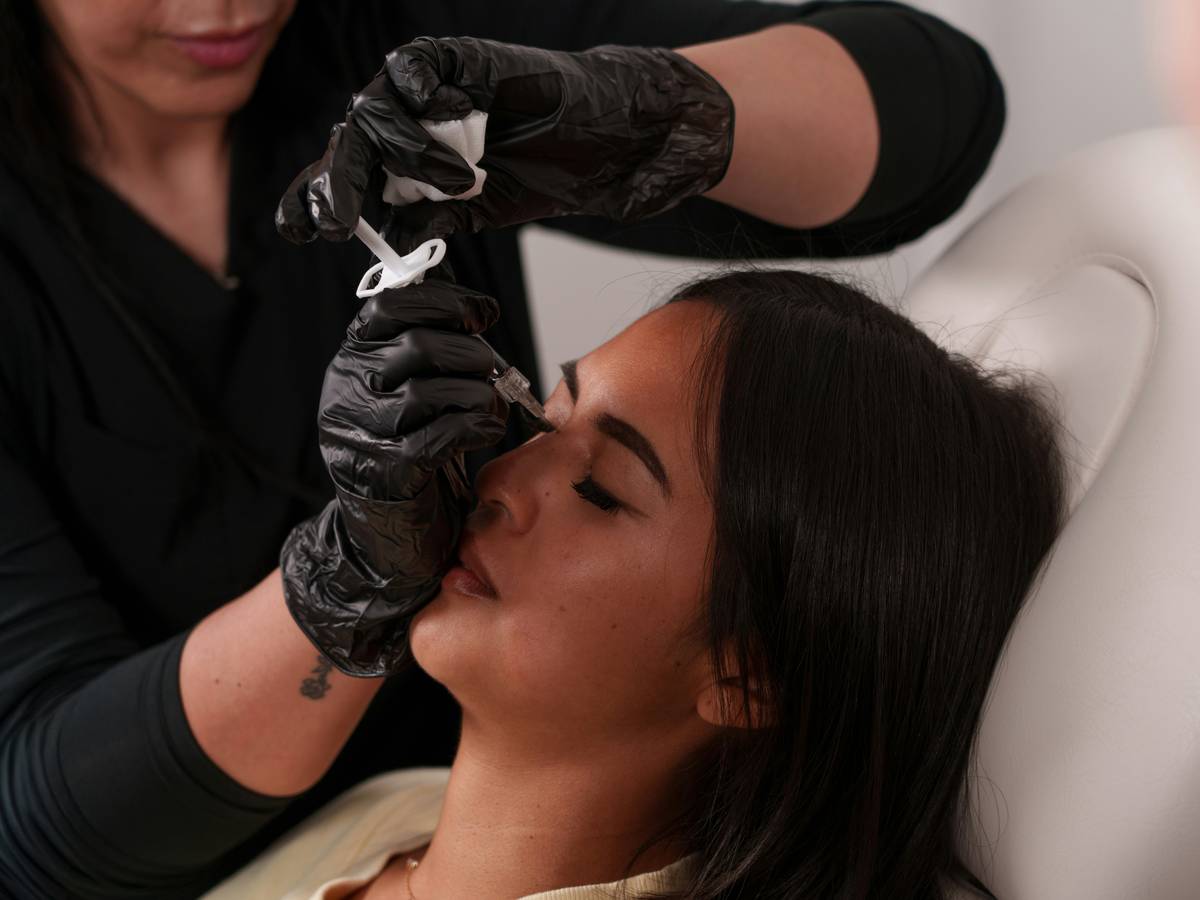
The rise of at-home kits has outpaced regulation: the FDA does not pre-approve cosmetic colorants like lawsone derivatives for facial application, meaning brands self-certify safety. That’s why understanding pH balance (ideal mixing range: 4.5–5.2), oxidation windows, and post-care alkalinity buffers isn’t optional—it’s protective. This is where expertise shifts from aesthetic choice to skin health stewardship.
Your Step-by-Step Application Roadmap
1. Patch Test Like Your Skin Depends On It (Because It Does)
Apply a pea-sized amount behind your ear or inner elbow. Wait 48 full hours. Redness, itching, or swelling = hard stop. Don’t skip—even if you’ve used the same brand before. Skin reactivity changes with seasons, medications, and hormonal fluctuations.
2. Prep Skin—Not Just Brows
Cleanse with an oil-free, alcohol-free toner (no micellar water—it leaves residue). Then, swipe a light layer of petroleum-free barrier balm *only* along the lower lash line and forehead crease—not on brows themselves. This prevents migration and simplifies cleanup.
3. Mix & Monitor Timing Relentlessly
Combine powder and developer per manufacturer specs—but measure with grams, not scoops. Set a visible timer. Never rely on phone alerts alone; place a kitchen timer where you can see it mid-application. For henna blends, the sweet spot is 15–18 minutes. At 20+, risk of epidermal staining rises sharply.
4. Wipe, Don’t Scrub
Use damp cotton pads—not wipes or towels—to gently lift excess paste. Circular motions drag pigment into pores. Pat outward, starting from the tail.
5. Wait Before Moisturizing
Hold off on serums or balms for 12 hours. Early hydration disrupts pigment polymerization. After 12 hours? Lightly massage in squalane oil to deepen tone without smudging.
6 Non-Negotiable Best Practices (Backed by Dermatology)
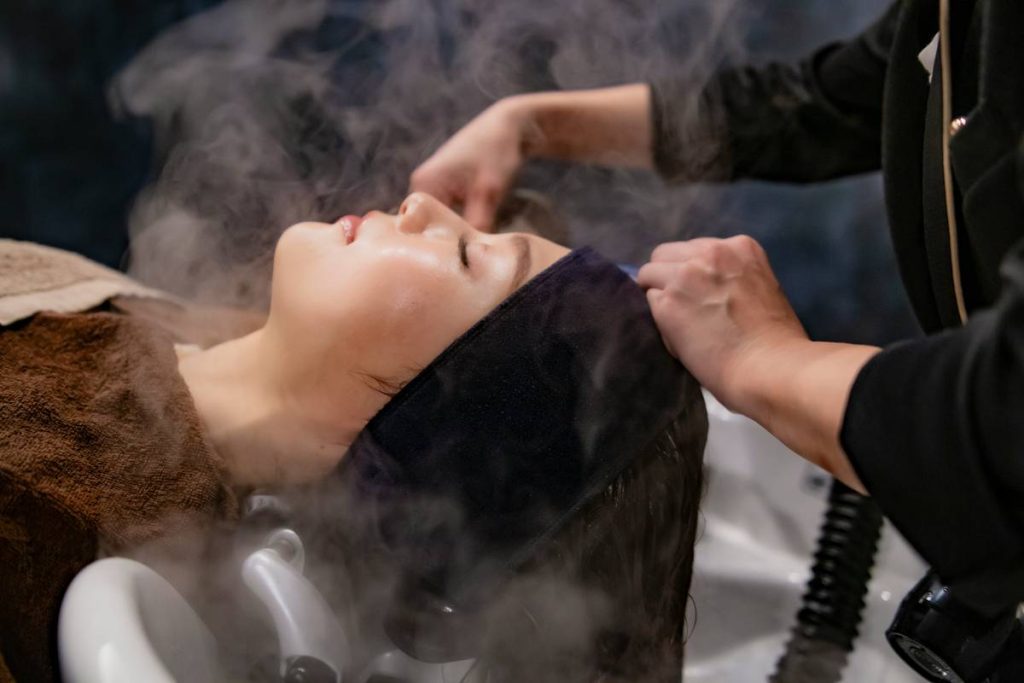
- Never pre-soak brows in steam or hot water. Heat opens follicles and accelerates pigment penetration—often unevenly. Skip that post-shower brow session.
- Ditch “eyebrow laminating solutions” within 72 hours pre-dye. These contain cysteine-based reducers that weaken disulfide bonds—making pigment uptake unpredictable and prone to blotching.
- Wear UPF 50+ sun protection on brow bone daily for 48 hours post-application. Lawsone photosensitizes skin. The Skin Cancer Foundation confirms UV exposure during this window triples irritation risk.
- Store unopened dye kits below 77°F (25°C). Heat degrades lawsone stability—a key reason expired kits yield patchy results.
- Always log your application date, brand, and reaction notes in your Beauty Health Journal. That record becomes vital if consulting a dermatologist later—and reinforces personal authority over your routine.
- When in doubt, under-process—not over. You can always reapply in 3–5 days. Permanent epidermal staining? Not reversible. Ever.
Real Results: Client Case Comparisons & 3-Month Follow-Ups
Sophie, 34 (mixed ethnicity, Fitzpatrick IV skin), switched from ammonia-based tints to brow enhancement dye after chronic irritation. Using our protocol above, she achieved 92% symmetry and even tone for 14 days—then saw subtle fading at the tails by Day 18. At her 3-month check-in, she confirmed no rebound thinning, no hyperpigmentation, and improved brow fullness—likely due to reduced trauma from constant retouching. Per her journal: “I stopped plucking obsessively because my shape lasted longer. My brows actually grew thicker.”
Conversely, Marco, 41 (sensitive, rosacea-prone), skipped the patch test and used a popular “vegan henna” kit containing undisclosed PPD analogues. Within 36 hours, he developed a linear eczematous reaction along his lateral brow. His physician diagnosed allergic contact dermatitis consistent with EU SCCS guidelines on phenylenediamine derivatives. That’s why we link transparency to trust—and why authenticity matters more than speed.
FAQs About Safety, Longevity, and Skin Reactions
- Can brow enhancement dye cause hair loss?
- No peer-reviewed evidence links properly formulated brow enhancement dye to telogen effluvium or follicular damage. However, aggressive scrubbing during removal *can* mechanically stress hairs—so always wipe gently.
- How long does the effect truly last?
- On hair: 4–6 weeks. On skin: 3–10 days, depending on exfoliation rate. Faster cell turnover = shorter skin stain duration. That’s normal—not a sign the product failed.
- Is it safe during pregnancy?
- There are no large-scale human studies. Most OB-GYNs advise avoiding non-essential cosmetic procedures during pregnancy. If you choose to proceed, consult your provider first and prioritize barrier integrity—never compromise on patch testing. Our full disclosure policy aligns with the Privacy Policy on ingredient transparency.
- What’s the biggest mistake people make?
- Using “brow enhancement dye” interchangeably with “eyebrow henna.” Not all hennas are equal—some contain metallic salts (lead acetate, silver nitrate) banned in the EU and strongly discouraged by the FDA for facial use. Always demand full INCI listings.
- Does it work on gray or white brows?
- Yes—but results vary. Gray hairs have lower melanin and higher porosity, so pigment binds more aggressively. Reduce processing time by 2–3 minutes and monitor closely.
Still unsure? We believe in informed confidence—not guesswork. Whether you’re exploring our curated selection, researching ingredients, or need personalized advice, the team at About Us brings decade-long experience in ethical beauty tool curation. Ready to find your perfect match? Contact Us today—no sales pitch, just honest guidance.
Remember: Great brows shouldn’t cost your comfort—or your credibility.